“coffee output” search results (8500)
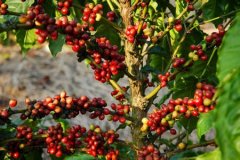
Development trend of Yunnan small Coffee in the Future
Yunnan is the only coffee producing area in China, with unique climate and changeable geographical environment, growing multi-level coffee, which can be regarded as unique among the coffee producing areas in the world.
2014-07-07 Coffee news Yunnan coffee small grain coffee development trend of Yunnan coffee
Angora coffee beans
Angola's Angola, which has been growing coffee for more than 100 years, ranked first in Africa until 1960 and reached 225000 tons in 1979, ranking second in Africa and fourth in the world. The output in 1992 was 5000 tons. Sisal production is second only to coffee, and the level of per unit yield is higher. In 1986, the output reached 20,000 tons, sisal ranked second in Africa both in terms of output and export volume. Luo'an, Xinhuanet
2014-06-30 Angola coffee bean Angola coffee bean price African boutique coffee bean
Learn something about the origin of coffee and increase your conversation when drinking coffee-
First Ethiopia: the original flavor of coffee annual output: 396000 tons a cup of water washed Yega Xuefei (Yirgacheffe) can bring out the exquisite flowers and sweet fruit flavor, unparalleled; or sun-treated Sidamo, sweet, atmospheric, are the most classic top representatives of Ethiopian coffee. -LorenzoP, Director of Education, CuveCoffee
2016-08-31 Learn something coffee origin knowledge increase talk first place Ethiopia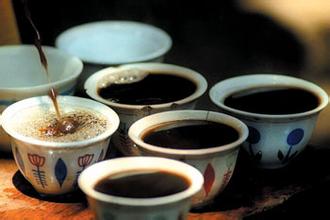
Ethiopian coffee is the most popular coffee in the world.
Ethiopia is one of the major producers of arabica coffee in Africa and produces the best arabica coffee in the world. It is said that coffee was first discovered by shepherds in Ethiopia, and the name of coffee evolved from Kafa, so Ethiopia is still the hometown of coffee. The natural characteristics of Ethiopian coffee beans include large
2015-12-13 world famous ethiopia coffee latest presentation
The characteristics of Ethiopian Coffee Flavor and Taste Manor introduce the varieties of Ethiopian coffee
The natural characteristics of coffee beans include large coffee beans.
2016-07-25 Ethiopia coffee flavor taste manor producing area characteristics introduction variety
Basic knowledge of high-quality coffee beans in coffee producing countries
Salvadoran Coffee Type: Arabica Coffee output: 1.300.000 bags of Salvadoran coffee has a milder, less sour classic Sino-American flavor profile. The best high-altitude Salvadoran coffee is obtained from bourbon and Parkmora coffee trees. This kind of coffee is fragrant, complex, lively and delightfully mild. Strict high altitude growth: Salvadoran coffee
2015-06-05 Coffee producing country boutique coffee beans basics common sense El Salvador coffee type
Learn about the top ten coffee producing areas in the world and introduce the origin of fine coffee beans.
First Ethiopia: the original flavor of coffee annual output: 396000 tons a cup of water washed Yega Xuefei (Yirgacheffe) can bring out exquisite flowers and sweet fruit, can be called unparalleled; or sun-treated Sidamo, sweet, atmospheric, are all Ethiopia
2022-06-27 Understanding world top ten top coffee origin introduction Hawaii Costa Rica
Introduction to the flavor of Ethiopian coffee
Coffee is Ethiopia's most important export cash crop and the main source of Ethiopia's foreign exchange earnings. Ethiopia's coffee exports account for about 3% of the world market, making it the eighth largest coffee exporter in the world. Coffee exports increased steadily from 58000 tons in 1990 to 110000 tons in 1995-1996 and remained at this level in the following years. 2001-2002
2016-06-05 Ethiopia coffee flavor introduction
A brief introduction to the Top Ten Coffee producers in the World: how to choose your favorite individual Coffee
Ethiopia: the original flavor of coffee annual output: 396000 tons a cup of water washed Yega Xuefei (Yirgacheffe) can bring out the exquisite flowers and sweet fruit, unparalleled; or sun-treated Sidamo, sweet, atmospheric, are the most classic top representatives of Ethiopian coffee. Lorenzo Perkins, Director of Education, Cuve Coffee
2016-05-04 World Top Ten Coffee Origin profile how choose yourself like single item
A brief introduction to the Top Ten Coffee producers in the World: how to choose your favorite individual Coffee
Ethiopia: the original flavor of coffee annual output: 396000 tons a cup of water washed Yega Xuefei (Yirgacheffe) can bring out the exquisite flowers and sweet fruit, unparalleled; or sun-treated Sidamo, sweet, atmospheric, are the most classic top representatives of Ethiopian coffee. Lorenzo Perkins, Director of Education, Cuve Coffee
2016-05-04 World Top Ten Coffee Origin profile how choose yourself like single item
Taste characteristics of Jamaican coffee varieties with small but fine output introduction to the flavor of boutique coffee beans in the manor
Coffee is grown outside the Blue Mountains and is called Jamaican coffee. It turns out that people in the coffee industry in China generally have a wrong understanding that only coffee grown in the Blue Mountain area above 1800 meters above sea level can be called Blue Mountain Coffee. In fact, there is only one manor on the top of the Blue Mountain Mountains above 1800, that is, Amber, which is of Chinese descent. The owner of the manor is surnamed Lyn (Lin) and is of Chinese origin.
2016-09-02 Small but fine yield Jamaica coffee variety taste characteristics manor boutique
Ethiopian Yega Xuefei Fine Coffee with unique Ethiopian Flavor
Although the Ethiopian Yirgacheffe coffee is petite, it is gentle and delicate and sweet. As the hometown of coffee, thousands of years of planting history and processing tradition in Ethiopia have created high-quality washed Arabica beans. Light baking has unique sweet aromas of lemon, flowers and honey, soft acidity and citrus flavors, fresh and bright on the palate. Without
2016-03-19 Ethiopia Yega Sheffield boutique coffee flavor unique
Introduction to the characteristics of Ethiopian Yega Xuefei Coffee
Although the Ethiopian Yirgacheffe coffee is petite, it is gentle and delicate and sweet. As the hometown of coffee, thousands of years of planting history and processing tradition in Ethiopia have created high-quality washed Arabica beans. Light baking has unique sweet aromas of lemon, flowers and honey, soft acidity and citrus flavors, fresh and bright on the palate. Without
2016-03-28 Ethiopia Yega Sheffield coffee characteristics introduction flavor
The production of Angolan coffee beans ranked first in Africa until 1960.
Angola's Angola, which has been growing coffee for more than 100 years, ranked first in Africa until 1960 and reached 225000 tons in 1979, ranking second in Africa and fourth in the world. The output in 1992 was 5000 tons. Sisal production is second only to coffee, and the level of per unit yield is higher. In 1986, the output reached 20,000 tons, sisal ranked second in Africa both in terms of output and export volume. Luo'an, Xinhuanet
2015-04-17 Angola coffee beans production 1960 years ago always Africa number one
Introduction to the output and export of coffee beans and coffee in Honduras
After trying several batches of samples, we finally selected this traditional flavor taste style, washed Honduran coffee, it is not only BIO organic certification coffee, but also an organic trade coffee, coffee raw bean sales will directly benefit the country of origin manor, for origin health, education, drinking water and other projects. For every packet of Fairtrade coffee you buy
2016-07-05 Shape large Honduras coffee beans coffee output export condition manor
Ethiopian boutique coffee Ethiopia boutique coffee flavor Ethiopian boutique coffee
Coffee is Ethiopia's most important export cash crop and the main source of Ethiopia's foreign exchange earnings. Ethiopia's coffee exports account for about 3% of the world market, making it the eighth largest coffee exporter in the world. Coffee exports increased steadily from 58000 tons in 1990-91 to 110000 tons in 1995-96 and remained at this level in the following years. 2001-2002
2016-03-19 Ethiopia boutique coffee flavor
Basic information on coffee varieties
Suitable cultivation conditions: Arabica variety (Arabica) is suitable for plateau cultivation, Robesta variety (Robusta) is suitable for lowland cultivation, and Liberian variety (Liberica) is suitable for minimum cultivation. Production: the Arabica variety (Arabica) accounts for about 70-80% of the world's total output; the Robesta variety (Robusta) accounts for about 20-30% of the world's total output of Liberian varieties (Liberica)
2014-07-17 Coffee knowledge coffee varieties coffee encyclopedia
It may be difficult to increase the output of Jamaican coffee.
Japan's economy is in a quagmire, unable to import so much coffee, so that Jamaica has to implement a diversification strategy to export surplus coffee. At this time, Hurricane Sandy brought berry borer and leaf rust, and production dropped from 600000 barrels 15 years ago to 240000 barrels today. Grant, manager of the Blue Mountain Mavisban Coffee Factory, said that due to poor control of berry borer and leaf rust, the global coffee market
2015-08-13 Jamaica coffee production fear improvement blue mountains coffee beans Japanese economy trapped
Ethiopian Yega Xuefei Coffee has a unique flavor and full taste.
Although the Ethiopian Yirgacheffe coffee is petite, it is gentle and delicate and sweet. As the hometown of coffee, thousands of years of planting history and processing tradition in Ethiopia have created high-quality washed Arabica beans. Light baking has unique sweet aromas of lemon, flowers and honey, soft acidity and citrus flavors, fresh and bright on the palate. No.
2016-01-05 Ethiopia Yega Sheffield coffee flavor unique taste full
Ethiopian fine coffee with intense nutty aromas Taste Introduction
Coffee is Ethiopia's most important export cash crop and the main source of foreign exchange earnings. Ethiopia's coffee exports account for about 3% of the world market share, making it the eighth largest coffee exporter in the world. Coffee exports increased steadily from 58,000 tons in 1990-1991 to 110,000 tons in 1995 - 1996 and remained at that level for the next few years. 2001 - 2002
2016-07-19 rich nutty aroma ethiopia fine coffee flavor taste presentation